



BI Governor Flags Rising Global Risks, Says Indonesia ‘Not Immune’
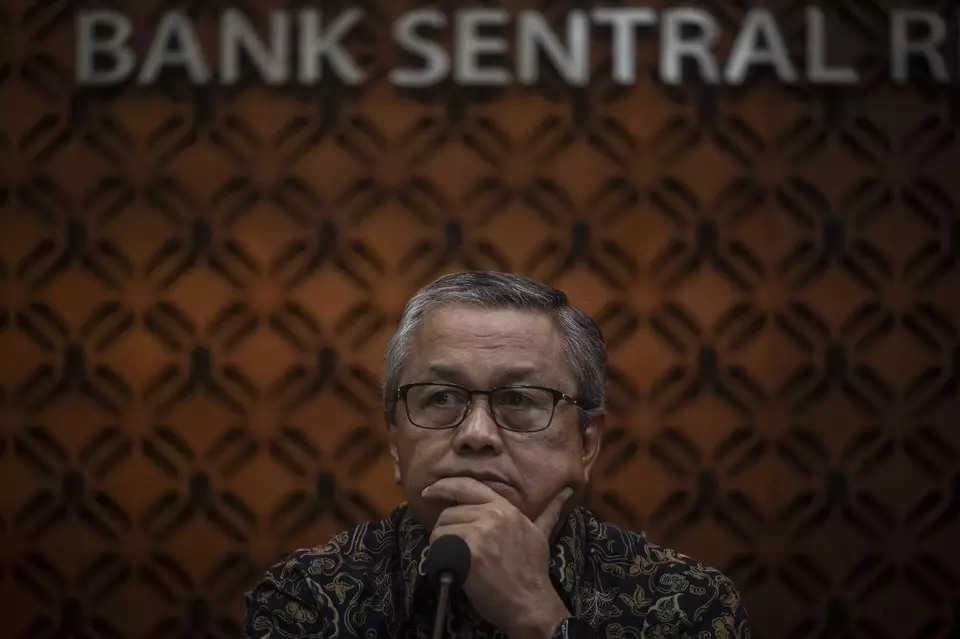
Jakarta. Bank Indonesia Governor Perry Warjiyo warned that the global economy is heading into a more turbulent 2026–2027 period, citing escalating trade tensions, slowing growth in major economies, and rising financial-system vulnerabilities that could spill over into emerging markets.
Speaking at a policy briefing in Jakarta, Perry said Indonesia remains exposed to the same external shocks confronting the rest of the world and will need a coordinated government response to safeguard financial stability and support growth.
“We are not immune. Indonesia needs the right policy mix and strong institutional synergy to maintain stability and build resilience,” he said.
Perry laid out five key global risks that he believes will shape the economic landscape over the next two years.
Tariff Pressures and Weakening Multilateralism
The first threat comes from persistent US tariff measures that continue to weigh on global trade flows. The prolonged uncertainty is further eroding multilateral cooperation and accelerating a shift toward bilateral and regional arrangements.
“This environment is weakening global trade and undermining the multilateral framework that has long supported emerging markets,” he said.
Bank Indonesia expects the domestic economy to expand 4.6 percent to 5.4 percent in 2025, a range trimmed due to weaker global growth and soft first-quarter performance. The central bank forecasts GDP growth of 4.9 percent to 5.7 percent in 2026 and 5.1 percent to 5.9 percent in 2027, assuming global conditions stabilize and investment improves.
Indonesia posted 5.04 percent year-on-year growth in the third quarter of 2025, supported primarily by resilient household consumption and stronger exports. That followed 5.12 percent growth in the second quarter, bringing cumulative January–September expansion to 5.01 percent.
Global Growth Set to Slow
Perry expects global growth momentum to ease as the US and China lose steam. While India, the European Union, and Indonesia continue to show relatively solid performance, inflation in advanced economies is cooling more slowly than expected, potentially delaying monetary policy easing worldwide.
“Global inflation’s slow descent will continue to complicate central banks’ decisions,” he said.
Bank Indonesia projects global economic growth at 3.1 percent in 2025. By comparison, the International Monetary Fund expects world output to edge down from 3.2 percent in 2025 to 3.1 percent in 2026, reflecting softer demand in major economies and tighter financial conditions.
High Debt and Elevated Rates in Advanced Economies
A third risk stems from persistently high interest rates and ballooning fiscal deficits in developed markets, which Perry said are raising refinancing costs for emerging economies.
“Large fiscal deficits in advanced economies are keeping interest rates elevated and increasing fiscal burdens for developing countries,” he said.
Growing Financial-System Vulnerabilities
Perry also flagged increasing volatility in the global financial system, pointing to a surge in derivatives trading, particularly by high-frequency hedge funds, as a source of sudden capital flow reversals and exchange-rate pressures.
“These machine-driven funds have amplified the risks of capital flight and currency instability in emerging markets,” he said.
Crypto Expansion Without Oversight
The fifth risk comes from the rapid growth of private cryptocurrencies and stablecoins, which Perry said are expanding without adequate regulation. This gap, he argued, strengthens the case for central bank digital currencies, or CBDCs.
“There is still no clear regulatory structure. This is why a central bank digital currency is increasingly important,” he said.
Perry stressed that all five external risks could affect Indonesia’s economic outlook if not managed properly. The central bank has kept monetary policy tight to anchor inflation expectations while deploying macroprudential tools to support credit growth.
“Indonesia needs to remain vigilant and proactive, ensuring stability while pushing for higher and more sustainable growth,” Perry said.
Related Articles

Bank Indonesia Cuts Foreign Currency Purchase Threshold to $10,000
Indonesia is tightening foreign exchange rules by lowering thresholds for undocumented currency purchases and transfers.
Bank Indonesia Lifts BI Rate to 5.75%
Bank Indonesia raised its benchmark rate to 5.75% to support the rupiah as the currency weakened to Rp 17,796 per US dollar.
Government Debt Growth Drives Indonesia’s External Debt to $439.8B
Indonesia's external debt rose to $439.8 billion in April as higher government borrowing offset lower private debt.
Bank Indonesia Says Higher Rates Are Attracting Foreign Capital Back
Foreign investor participation increased in SRBI instruments following the central bank's June 10 auction.
Indonesia to Establish Renminbi Clearing Bank to Deepen Financial Ties With China
Indonesia and China have agreed to establish a renminbi clearing bank in Indonesia to expand local-currency transactions.
Indonesia Aims for Rp 16,800-17,500 Rupiah in 2027 Budget
Indonesia targets inflation of 1.5%-3.5% and a rupiah range of Rp 16,800-17,500 per US dollar under its agreed 2027 state budget framework.
Economist: BI’s Rate Hike Seeks to Prevent Confidence Crisis
Bank Indonesia's surprise rate hike underscores mounting rupiah pressure, but economists warn monetary policy alone is not enough.
Rupiah’s Sharp Decline Prompts Surprise Rate Hike, Governor Says
Bank Indonesia raised its benchmark interest rate to 5.50% after the rupiah weakened more sharply than policymakers had anticipated.
Jakarta Stocks Sink 4.22% to Year's Low as Global Rout Sparks Sell-Off
JCI plunged as much as 4.22% to its lowest level this year as global market turmoil and domestic concerns rattled investors.
Rupiah Hits Record Low Against Singapore Dollar at Rp 14,029
Rupiah hit a record Rp 14,029 per Singapore dollar and neared Rp 18,000 per US dollar despite BI's market interventions.The Latest

Dear Mr. President, Don’t Skip ASEAN Summits
Despite calls for Prabowo to stay home, the Indonesian leader still needs to attend ASEAN summits.
PLN Rushes Coal Supplies After Power Outages Hit Java
PLN is rushing to secure coal supplies after shortages triggered rolling blackouts across Java, disrupting businesses and daily life.
Japan-Backed ADB Invests in Indonesia’s Human Capital
As many as 399 Indonesian awardees have joined the ADB-Japan Scholarship Program from 1988 to 2024.
Indonesian Stocks Rise Despite Foreign Outflows as MSCI Review Looms
Indonesia's JCI rose 2.8% as easing geopolitical tensions offset foreign outflows, MSCI concerns and rupiah pressures.
