



Danantara Still Reviewing $38.63 Billion Projects Meant to Move Up Value Chain
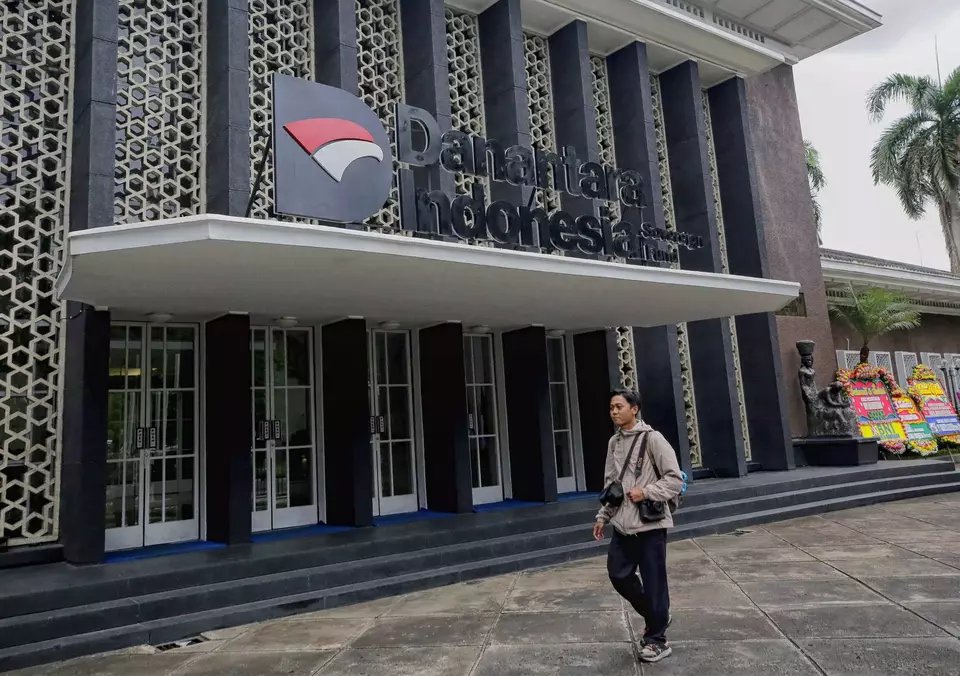
Jakarta. Sovereign wealth fund Danantara said Monday that it was still reviewing the feasibility of the government-backed projects worth over $38 billion projects in the country’s downstream industries before deciding to make some investments.
Energy Minister Bahlil Lahadalia had drawn up a list of 18 projects worth $38.63 billion that Indonesia wishes to work on with Danantara’s help. The projects span various resources, all aimed at getting Indonesia to move up the value chain by producing higher-valued goods. Bahlil, who leads the downstream development task force, had handed over these projects’ pre-feasibility documents to Danantara in late July. The ball remains in Danantara’s court, as the fund -- which now controls all state-owned enterprises -- intends to only finance projects that they deem “investment-ready”. According to Danantara’s chief executive officer Rosan Roeslani, the reviews are still ongoing, while admitting that some projects required “fine-tuning”.
"We will keep in touch with the Energy Ministry," Rosan told the press in Jakarta.
“There are some projects that need some adjustments, including on the projections,” he said.
Rosan did not disclose the timeframe of when the reviews would likely finish, nor the details of the projects that still needed some improvements. Bahlil’s aide Ahmad Erani Yustika not long ago told reporters that the review would likely finish by the end of the year, saying that Indonesia would like to actually execute the plan “as soon as possible”.
A few days ago, Bahlil said the 18 projects could directly create “almost 300,000 jobs” within the targeted industries. It is expected to generate a million jobs in indirect employment, thus possibly spurring a more equitable growth in regions outside Java.
Past media reports showed that some of the projects included coal gasification, palm oil-based oleofood, and sustainable aviation fuel based on cooking oil. When Danantara received the pre-feasibility study documents, Rosan said at the time that the fund was open to partnering with both state-run and private-owned firms in financially backing the projects.
According to government’s estimates, the resource-rich Indonesia needs up to $618 billion investments to develop the downstream industries of its minerals, oil, forestry, fishery, marine, and plantation commodities, by 2040. Indonesia needs $498.4 billion in investments to turn its raw minerals and coal into higher valued goods. Indonesia began this budget-heavy industrialization with nickel -- a key ingredient in electric vehicle battery production. The Southeast Asian country had stopped exporting unprocessed nickel in 2020, only wanting to sell half-finished or finished goods made from the silvery white metal. The policy has ruffled Europe’s feathers, but became a major economic driver. Indonesia’s nickel derivative exports only reached $3.3 billion in 2017, but soared to $33.9 billion last year.
Read More:
Danantara to Cut SOEs to Just 300 FirmsRelated Articles

Foreign Inflows, Danantara Demand Challenge ‘Sell Indonesia’ Narrative
Indonesia markets rebound as JCI recovers, foreign inflows return, and optimism grows that “Sell Indonesia” sentiment is fading.
Danantara Raises $1.5 Billion in Debut Global Bond Offering
Danantara is considering issuing longer-dated bonds in the future, including securities with maturities of up to 30 years.
Danantara’s Global Bonds Popular Among US Investors
The rest of Danantara's global bond investors have come from Europe, the Middle East, and Asia.
Rosan Says Investors Remain Confident in Indonesia’s Economy
Indonesia booked $28.1 billion in Q1 investment, with foreign capital contributing Rp 250 trillion.
BI Sees Stronger Rupiah in 2027 as DHE, Danantara Boost Forex Inflows
Bank Indonesia expects the rupiah to strengthen to Rp 16,800-17,500 per dollar in 2027 on stronger fundamentals and capital inflows.
JCI Jumps 7.6% as BI Rate Hike, Buyback Talks Spark Broad Rally
JCI soared 7.6% on Tuesday as BI raised rates, buyback plans gained traction, and global risk sentiment improved.
JCI Opens Flat as Falling FX Reserves, Danantara Risks Weigh on Sentiment
JCI opened flat as investors weighed Indonesia's lowest FX reserves since 2024 and concerns over Danantara funding plans.
Danantara Denies Requiring The Rich to Buy Merah Putih Bonds
Indonesia’s parliament recently passed a sweeping law that would allow Danantara to issue Merah Putih Bonds.
JCI Inches Higher as Investors Assess P2SK Reform, Danantara Bonds
JCI rose 0.11% as investors assessed the passage of the revised P2SK Law and Danantara's planned bond issuances.
Parliament Approves Danantara Bond Plan to Fund Development
Indonesia has authorized Danantara to issue Patriot and Merah Putih Bonds, with officials stressing purchases will remain voluntary.The Latest

Dear Mr. President, Don’t Skip ASEAN Summits
Despite calls for Prabowo to stay home, the Indonesian leader still needs to attend ASEAN summits.
PLN Rushes Coal Supplies After Power Outages Hit Java
PLN is rushing to secure coal supplies after shortages triggered rolling blackouts across Java, disrupting businesses and daily life.
Japan-Backed ADB Invests in Indonesia’s Human Capital
As many as 399 Indonesian awardees have joined the ADB-Japan Scholarship Program from 1988 to 2024.
Indonesian Stocks Rise Despite Foreign Outflows as MSCI Review Looms
Indonesia's JCI rose 2.8% as easing geopolitical tensions offset foreign outflows, MSCI concerns and rupiah pressures.
