



New BI Instruments Aim to Optimize Export Proceeds from Natural Resources
Jakarta. Bank Indonesia (BI) has introduced new financial instruments — Bank Indonesia Foreign Exchange Securities (SVBI) and Bank Indonesia Foreign Exchange Sukuk (SUVBI) — to support the government’s program mandating natural commodity exporters to retain all their foreign exchange revenues in local banks or financial markets under the DHE SDA program.
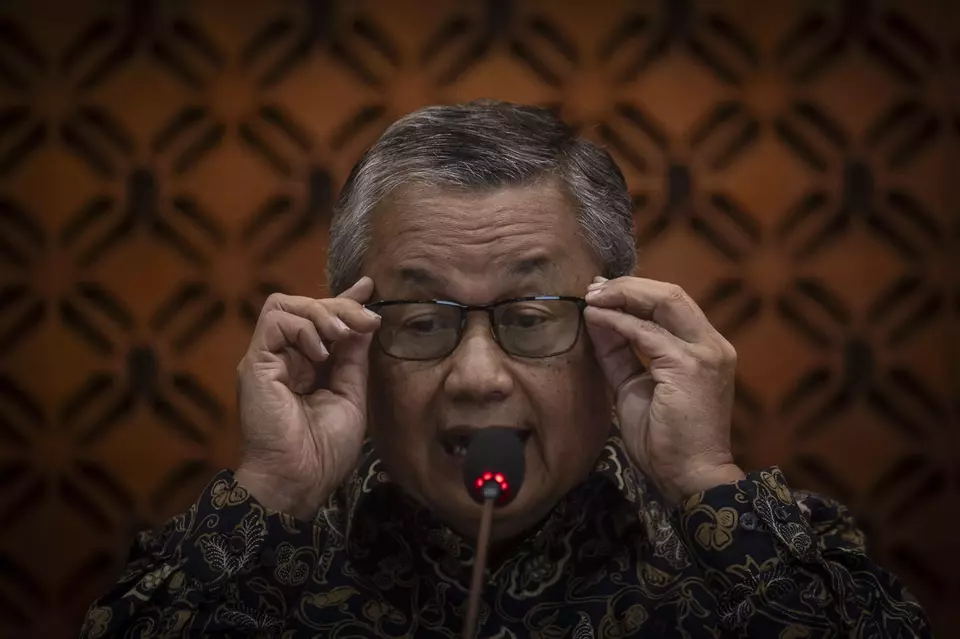
"BI fully supports the government’s efforts to optimize DHE SDA. We are preparing two new instruments: Bank Indonesia Foreign Exchange Securities and Bank Indonesia Foreign Exchange Sukuk," said BI Governor Perry Warjiyo on Wednesday.
Perry added that BI has been supporting the DHE SDA program through various foreign exchange deposit instruments provided by banks.
"These funds can then be redeposited at BI with attractive interest rates or hedged through foreign exchange swaps," he explained.
The DHE SDA policy mandates exporters to deposit 100 percent of their foreign exchange revenue from exporting natural resources commodities in Indonesia for at least one year. Previously, exporters were required to deposit at least 30 percent of their export proceeds for a minimum of three months.
According to Chief Economic Affairs Minister Airlangga Hartarto, the extended holding period for DHE SDA could boost the country’s foreign exchange reserves by up to $90 billion.
The technical regulations for this policy will be issued in the form of a Government Regulation, set to take effect on March 1. A key provision of the regulation is a 0 percent income tax rate on interest earned from DHE investment instruments. This provides a significant incentive for exporters, as the standard tax rate on interest income is typically 20 percent.
Under the new regulations, exporters storing their DHE SDA will be able to convert it into Indonesian rupiah. This conversion aims to increase the supply of dollars in the domestic market without excessive intervention from BI, thereby helping stabilize the rupiah and supporting corporate operational needs.
Tags: Keywords:Related Articles

Bank Indonesia Cuts Foreign Currency Purchase Threshold to $10,000
Indonesia is tightening foreign exchange rules by lowering thresholds for undocumented currency purchases and transfers.
Bank Indonesia Lifts BI Rate to 5.75%
Bank Indonesia raised its benchmark rate to 5.75% to support the rupiah as the currency weakened to Rp 17,796 per US dollar.
Government Debt Growth Drives Indonesia’s External Debt to $439.8B
Indonesia's external debt rose to $439.8 billion in April as higher government borrowing offset lower private debt.
Bank Indonesia Says Higher Rates Are Attracting Foreign Capital Back
Foreign investor participation increased in SRBI instruments following the central bank's June 10 auction.
BI Sees Stronger Rupiah in 2027 as DHE, Danantara Boost Forex Inflows
Bank Indonesia expects the rupiah to strengthen to Rp 16,800-17,500 per dollar in 2027 on stronger fundamentals and capital inflows.
Jakarta Stocks Sink 4.22% to Year's Low as Global Rout Sparks Sell-Off
JCI plunged as much as 4.22% to its lowest level this year as global market turmoil and domestic concerns rattled investors.
Rupiah Hits Record Low Against Singapore Dollar at Rp 14,029
Rupiah hit a record Rp 14,029 per Singapore dollar and neared Rp 18,000 per US dollar despite BI's market interventions.
Jakarta Stocks Jump 1.3% as Investors Eye Danantara Export Rollout, Inflation Data
JCI rose 1.3% at Tuesday's open as investors assessed Danantara's export policy rollout and awaited May inflation data.
Rupiah Weakness Keeps JCI Under Pressure in Early Trade
JCI slipped in early trade as rupiah concerns and weak investor confidence offset easing global geopolitical tensions.
BI Raises Rates to Defend Rupiah, Attract Foreign Capital
BI says its rate hike aims to stabilize the rupiah and lure foreign capital amid global market pressures and rising dollar demand.The Latest

Dear Mr. President, Don’t Skip ASEAN Summits
Despite calls for Prabowo to stay home, the Indonesian leader still needs to attend ASEAN summits.
PLN Rushes Coal Supplies After Power Outages Hit Java
PLN is rushing to secure coal supplies after shortages triggered rolling blackouts across Java, disrupting businesses and daily life.
Japan-Backed ADB Invests in Indonesia’s Human Capital
As many as 399 Indonesian awardees have joined the ADB-Japan Scholarship Program from 1988 to 2024.
Indonesian Stocks Rise Despite Foreign Outflows as MSCI Review Looms
Indonesia's JCI rose 2.8% as easing geopolitical tensions offset foreign outflows, MSCI concerns and rupiah pressures.
