



Jakarta Chamber Says Minimum Wage Policy Lacks Clear Standard
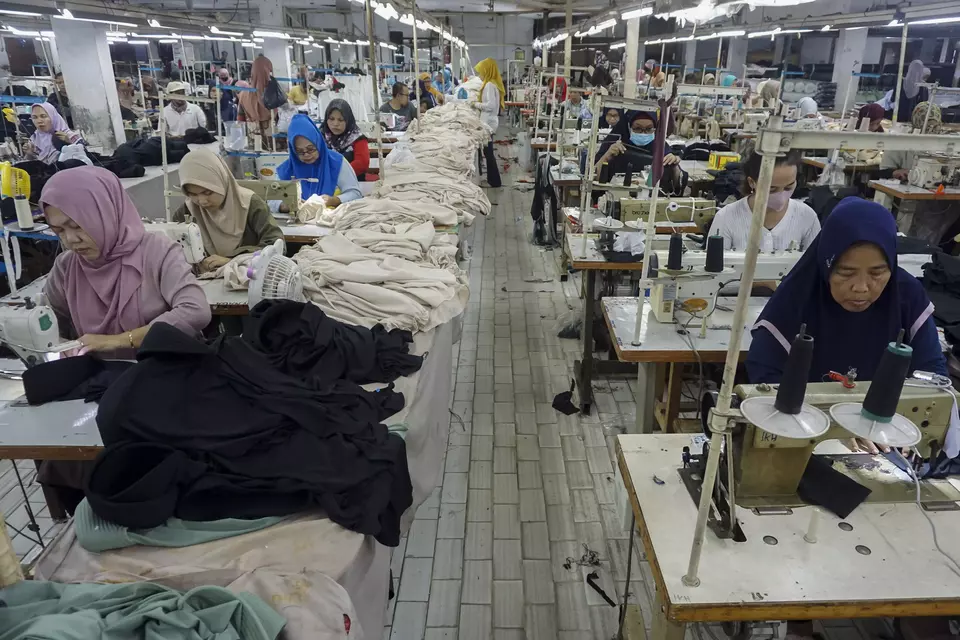
Jakarta. The Jakarta Chamber of Commerce and Industry (Kadin Jakarta) says the central government has yet to establish a clear and reliable formula for determining Indonesia’s 2026 provincial minimum wage, leaving regional wage councils unable to set new rates in the absence of formal regulations.
Kadin Jakarta Chairwoman Diana Dewi said the core challenge lies in defining the “decent living needs” indicator, which forms the basis of the current wage-setting model but remains subjective and difficult to quantify.
“If we refer to the decent living needs indicator, the metrics are difficult to determine with certainty. Even the government has not been able to identify the right figures,” Diana said during a dialogue on Beritasatu TV.
Labor Minister Yassierli said last week that the government is drafting a new wage law to replace current legislation after the Constitutional Court ordered the adoption of a wage standard that reflects decent living needs and is fairer for workers.
According to Diana, prolonged disagreement over the “alpha coefficient” -- a variable in the wage formula used to determine the annual adjustment -- has also created recurrent disputes between the government, labor unions, and employers.
“This alpha coefficient never had a clear basis from the start,” she stressed.
Given the sharp differences in economic conditions across regions and sectors, Kadin Jakarta argues that applying a single universal wage formula nationwide is unrealistic.
To resolve the impasse, the chamber is urging the government to adopt a bipartite negotiation scheme, allowing employers and workers in each company to determine wages through direct dialogue. Such a model, Diana said, would deliver fairer outcomes while reflecting each company’s financial capacity and workers’ needs.
“Employers understand their company’s condition, and workers understand their needs. With bipartite negotiations, the outcome can be win-win,” she said.
Diana concluded by urging caution in formulating the new wage model, warning that poorly designed regulations could burden businesses that are already struggling in an economic climate she described as “far from ideal.”
Tags: Keywords:Related Articles

Apindo Warns of Mass Layoffs as Tangerang Sets 6.3% Minimum Wage Increase
A 6.3% minimum wage hike in Tangerang has sparked warnings of layoffs and factory relocations as manufacturers struggle with rising costs.
2026 Minimum Wage Not Enough to Live Decently in Jakarta: Union
The Jakarta government recently announced a 6.17% increase to the 2026 minimum wage.
Jakarta Raises 2026 Minimum Wage by 6.17% to Rp5.73 Million
Jakarta will raise its 2026 minimum wage by 6.17% to Rp5.73 million, using an alpha of 0.75 to keep increases above inflation.The Latest

Dear Mr. President, Don’t Skip ASEAN Summits
Despite calls for Prabowo to stay home, the Indonesian leader still needs to attend ASEAN summits.
PLN Rushes Coal Supplies After Power Outages Hit Java
PLN is rushing to secure coal supplies after shortages triggered rolling blackouts across Java, disrupting businesses and daily life.
Japan-Backed ADB Invests in Indonesia’s Human Capital
As many as 399 Indonesian awardees have joined the ADB-Japan Scholarship Program from 1988 to 2024.
Indonesian Stocks Rise Despite Foreign Outflows as MSCI Review Looms
Indonesia's JCI rose 2.8% as easing geopolitical tensions offset foreign outflows, MSCI concerns and rupiah pressures.
