



Tehran Says Leadership Change Shows Iran Is ‘Not Built Around One Man’
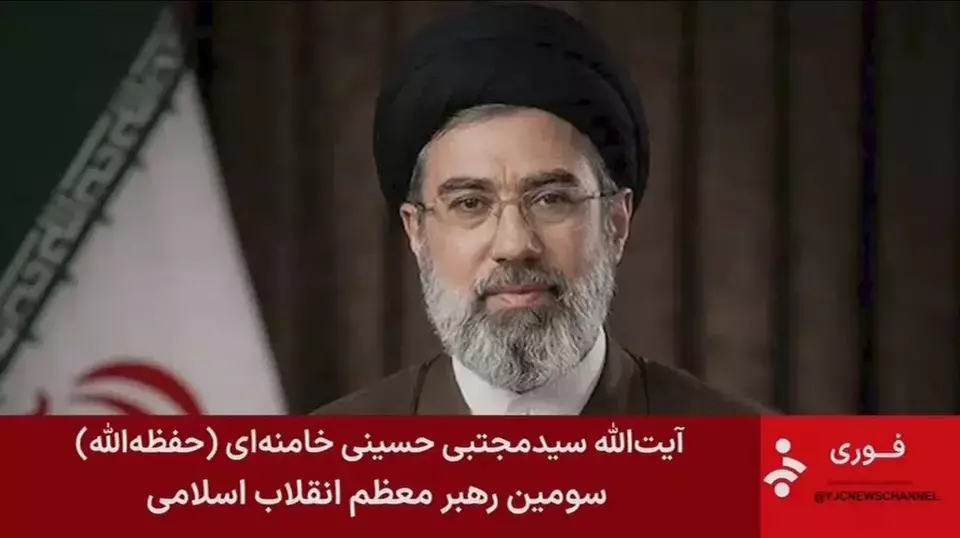
Jakarta/Tehran. Iran has appointed a new supreme leader for the first time in more than three decades, installing hard-line cleric Mojtaba Khamenei as the country’s top authority after the death of his father, Ali Khamenei, in a United States and Israeli airstrike on Feb. 28.
Iran’s Assembly of Experts — the clerical body responsible for selecting the supreme leader — voted by more than 85% to appoint Mojtaba Khamenei as the third supreme leader of the Islamic Republic, according to a statement released Monday by the Iranian Embassy in Jakarta.
The Assembly of Experts, whose members are elected by the public for eight-year terms under Iran’s constitution, carried out the vote under what the embassy described as “dangerous and threatening conditions” amid the ongoing war.
Tehran described the appointment as proof that the Islamic Republic’s political system can continue functioning despite the loss of its most powerful leader.
“The Islamic Republic of Iran is not dependent on a single individual,” the statement said. “It is a system based on the rule of law, the voice of the people, and divine values.”
The leadership change comes as the conflict continues to intensify. Iranian forces launched a new phase of attacks under an operation dubbed “True Promise 4,” targeting Israeli territory under the command of the newly appointed leader, according to the embassy.
Iran says the war has caused heavy civilian casualties and damage to infrastructure across the country. Since the start of the attacks on Feb. 28, more than 1,300 children and civilians have been killed and thousands of civilian facilities destroyed, including homes, commercial centers, medical facilities, and schools, according to Iranian officials.
Tehran also accused the United States of expanding the conflict after an Iranian naval vessel, the Dena, was struck in international waters in the Indian Ocean while traveling to India for a training program, killing more than 100 personnel.
Iran described the strike as a violation of international law and warned it could threaten global maritime security.
The government also accused US and Israeli forces of targeting civilian infrastructure, including airports, passenger aircraft, and a desalination facility on Qeshm Island.
Tehran says its military operations are acts of self-defense under Article 51 of the United Nations Charter and will continue until the attacks stop or the UN Security Council intervenes.
Iran also signaled that diplomatic engagement with Washington has collapsed after what it described as repeated breaches of negotiations, including the US withdrawal from the 2015 nuclear deal during the administration of Donald Trump and two military strikes during ongoing talks in 2025 and 2026.
Despite the escalation, Iran said it intends to maintain relations with regional countries and insisted its strikes on US military bases should not be interpreted as hostility toward neighboring states.
Tags: Keywords:Related Articles

ASEAN+3 Growth Seen Slowing to 4% Amid Middle East Risks: AMRO
AMRO expects ASEAN+3 growth to slow to 4% as Middle East tensions, oil prices, and tariff uncertainty cloud outlook.
Investors Unconvinced by Government Efforts as JCI Falls Nearly 2%
JCI fell 1.85% as Middle East tensions, weak China data, and a rupiah slide past 17,600 rattled investors.
JCI Sinks as Rupiah Slides Past Rp 17,600 Amid Global Market Rout
JCI fell 1.4% at Monday’s open as the rupiah neared Rp 17,600 per dollar amid oil price spikes and global risk-off sentiment.
Wars Cost Trillions of Dollars, Indonesia Tells BRICS
In a meeting joined by UAE and Iranian officials, Indonesia reminds BRICS that "the cost of war is ultimately the cost of lost opportunity."
JCI Drops 0.92% Amid Iran Conflict Escalation, MSCI Wait-and-See
JCI closed down 0.92% on Monday as rising Middle East tensions and MSCI rebalancing concerns dampened investor sentiments.
Indonesian Stocks Slip Ahead of MSCI Review, US-China Meeting
Indonesia’s benchmark stock index opened lower on Monday as investors awaited the MSCI review and monitored Middle East tensions.
JCI Sinks Nearly 3% as Middle East Tensions Rattle Markets
JCI plunged 2.86% to 6,969 as Middle East tensions and weaker forex reserves triggered broad market sell-offs.
Trump Unveils ‘Project Freedom’ to Escort Ships from Strait of Hormuz
The US will launch Project Freedom to guide ships from the Strait of Hormuz as tensions rise and fresh attacks hit vessels.
Indonesia Evacuates 45 Citizens from Iran as Conflict Escalates
Indonesia repatriates 45 citizens from Iran in three batches as tensions involving the US and Israel escalate across the region.
Profit-Taking Drags JCI Down 0.68% to 7,623 on Wednesday
JCI fell 0.68% to 7,623 as profit-taking offset improving global sentiment on easing Middle East tensions and steady domestic policy outlookThe Latest

Dear Mr. President, Don’t Skip ASEAN Summits
Despite calls for Prabowo to stay home, the Indonesian leader still needs to attend ASEAN summits.
PLN Rushes Coal Supplies After Power Outages Hit Java
PLN is rushing to secure coal supplies after shortages triggered rolling blackouts across Java, disrupting businesses and daily life.
Japan-Backed ADB Invests in Indonesia’s Human Capital
As many as 399 Indonesian awardees have joined the ADB-Japan Scholarship Program from 1988 to 2024.
Indonesian Stocks Rise Despite Foreign Outflows as MSCI Review Looms
Indonesia's JCI rose 2.8% as easing geopolitical tensions offset foreign outflows, MSCI concerns and rupiah pressures.
