



Resource Nationalism Revisited: Why US Moves in Venezuela and Greenland Risk Backfiring
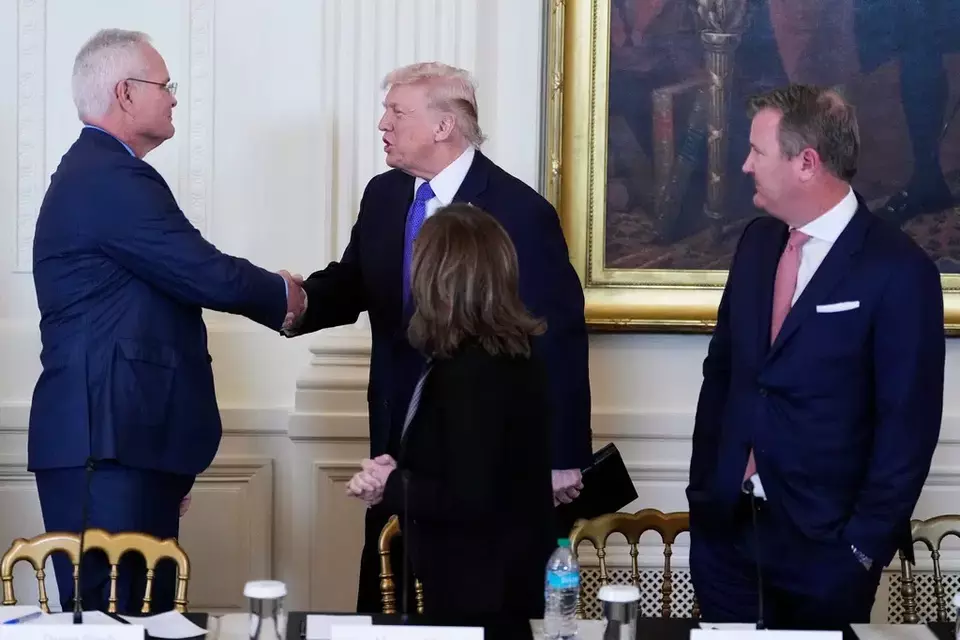
As 2026 begins, global politics appear to be entering a more confrontational phase. Some analysts have described this resurgence of territorial ambition as a modern revival of nineteenth-century doctrines of expansion. Under the administration of Donald Trump, this shift became unmistakable on January 3, 2026, when Washington launched “Operation Absolute Resolve” — a swift military intervention in Venezuela that resulted in the capture and extradition of Nicolás Maduro.
At the same time, the administration has intensified its focus on the Arctic, with the president and senior officials openly suggesting that the United States should acquire — or otherwise assert control over — Greenland to secure access to critical resources. Supporters frame these moves as bold efforts to preserve US global dominance. Yet a closer examination suggests they may impose high economic and political costs while delivering limited strategic returns.
Chasing Oil in a Saturated Market
The intervention in Venezuela appears driven largely by concerns over long-term energy security. The United States is currently producing oil at record levels, averaging about 13.5 million barrels per day. Despite this output, it holds only around 2.13% of global proven reserves, ranking outside the top ten worldwide. Venezuela, by contrast, possesses the world’s largest reported reserves — roughly 300 billion barrels, or more than 18% of the global total.
However, the notion of “taking the oil” collides with present-day market realities. Global crude supplies remain abundant, keeping prices subdued. Brent crude has been trading near $63 a barrel, a level at which many new projects struggle to generate returns. US shale operations typically break even at around $62 per barrel, while Venezuela’s extra-heavy crude requires prices above $80 to be commercially viable.
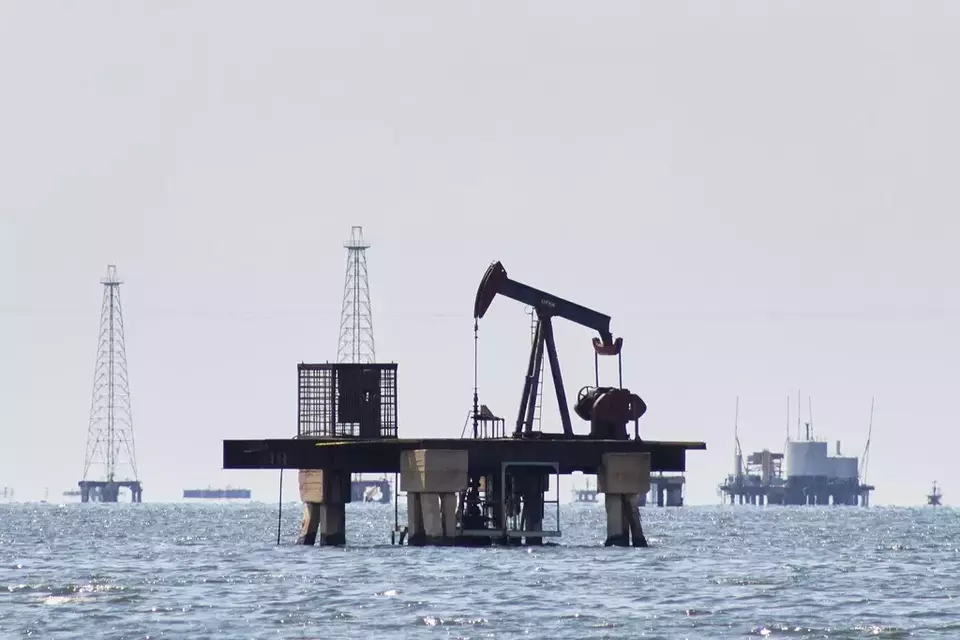
Years of underinvestment and mismanagement have further eroded Venezuela’s oil sector. Production has collapsed from roughly 3.5 million barrels per day to less than one million. Restoring output would require massive capital injections to rehabilitate deteriorated infrastructure. US officials have acknowledged that public funds may be needed to entice private companies to undertake this work — a prospect that risks political backlash if taxpayers are asked to subsidize investments widely viewed as uneconomic.
Economist and Nobel laureate Paul Krugman has argued that the appeal of Venezuela’s oil lies more in illusion than substance, describing it as a “war for oil fantasies.” He notes that much of the country’s reserve tally reflects political reclassification under Hugo Chávez, which elevated difficult-to-process heavy crude to “proven” status. In a low-price environment, such reserves offer little strategic advantage while exposing the United States to the long-term costs of managing what could amount to a new protectorate.
The Greenland Mirage and the Rare Earth Question
If oil powered the twentieth century, rare earth elements underpin the twenty-first. These minerals are essential for technologies ranging from electric vehicles and wind turbines to advanced weapons systems. The United States currently mines about 45,000 metric tons of rare earths annually but remains heavily dependent on China for processing. Beijing controls nearly all global refining capacity and dominates the production of high-performance magnets critical to defense applications.
Against this backdrop, Greenland has been portrayed in Washington as a potential solution to US supply vulnerabilities. The European Union classifies 31 of the 34 elements found there as strategically critical. Yet translating geological potential into strategic advantage faces formidable obstacles.
First, Greenland is not for sale. Both Greenlandic leaders and Denmark have categorically rejected any proposal for US acquisition, with Danish Prime Minister Mette Frederiksen warning that such ambitions undermine the international order. Second, the Arctic environment presents severe logistical challenges: extreme cold, minimal infrastructure, and vast distances significantly raise extraction costs.
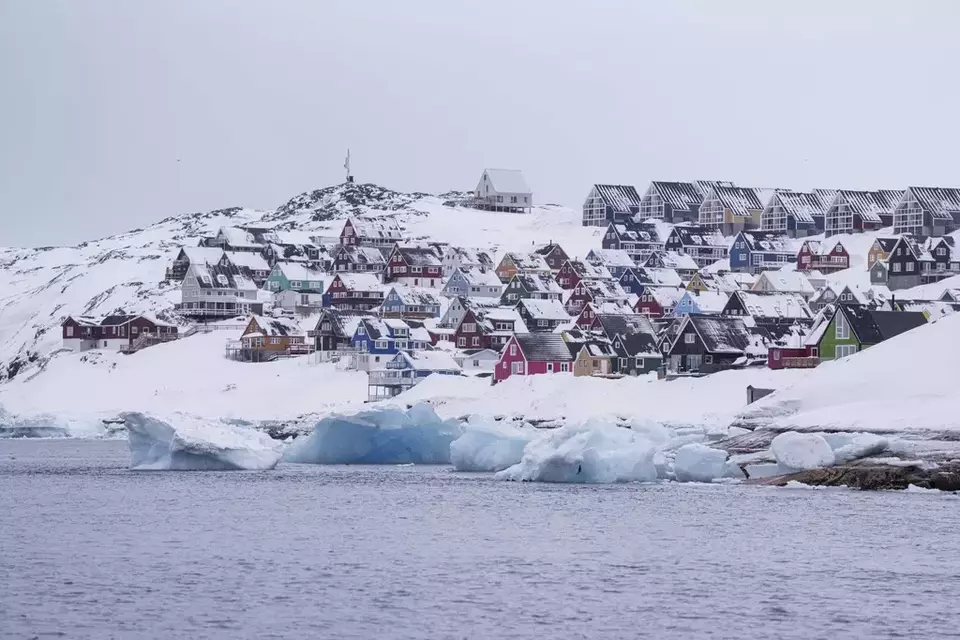
Equally important are political and environmental constraints. Greenland’s population has shown strong resistance to large-scale mining projects, particularly as the region warms at roughly four times the global average rate. Pursuing mineral extraction without local consent risks not only environmental damage but also lasting diplomatic fallout with European partners and NATO allies — costs that far outweigh uncertain economic gains.
Assertive Abroad, Vulnerable at Home
Despite projecting strength internationally, the administration’s domestic political footing appears increasingly fragile. The White House has relied heavily on executive authority, issuing 221 executive orders in less than a year — surpassing the total signed during Trump’s entire first term. This approach has intensified debates over executive overreach, with a majority of Americans now saying the president is doing too much through unilateral action.
The strategy has also deepened divisions within Congress. While some Republicans support an uncompromising “America First” posture, others have broken ranks, particularly over foreign interventions. Recent bipartisan efforts to limit presidential authority in Venezuela reflect growing concern over the prospect of prolonged and costly overseas commitments.
With voters increasingly focused on inflation, health care, and living costs, foreign interventions offer little electoral upside. Trump’s approval rating has fallen to negative territory, and dissatisfaction with economic management threatens Republican prospects ahead of the 2026 midterm elections.
Strategic Overreach, Strategic Costs
Taken together, US actions in Venezuela and Greenland risk isolating Washington rather than reinforcing its leadership. Both initiatives pursue resources in markets already well supplied or constrained by political and environmental realities. In doing so, they jeopardize alliances, strain public finances, and divert attention from pressing domestic priorities.
Rather than ushering in a new era of American supremacy, these moves may leave the United States facing heightened global tensions, weakened partnerships, and long-term liabilities for which future administrations — and taxpayers — will ultimately bear responsibility.
---
Didin Nasirudin is a doctoral candidate in Political Communication and Diplomacy at Sahid University, with a research focus on US politics.
The views expressed are the author’s own.
Tags: Keywords:Related Articles

Trump Mulls Seizing Iran's Kharg Island
Trump said Iran had agreed to allow 20 oil tankers through the Strait of Hormuz starting Monday as “a sign of respect.”
Countries Are Cautious after Trump's Appeal to Send Warships to Strait of Hormuz
Iran has said the strait, through which one-fifth of global oil exports normally pass, is open to all except the US and its allies.
Trump Says He Wants to Be Involved in Picking Iran's Next Leader
The war has killed at least 1,230 people in Iran, more than 120 in Lebanon, and around a dozen in Israel.
Denmark Calls an Early Election Following Tense US-Greenland Standoff
Frederiksen likely hopes that her handling of the Greenland crisis will give her a boost with Danish voters.
Danish Military Evacuates US Submariner Who Needed Urgent Medical Care off Greenland
The crew member was retrieved by a Danish Seahawk helicopter that had been deployed on an inspection ship.
New US Charge d’Affaires Arrives in Venezuela to Reopen Diplomatic Mission after 7 Years
Venezuela and the United States broke off diplomatic relations in February 2019 at the decision of Maduro.
What EU's 'Trade Bazooka' Is And How It Works
The trade bazooka could inflict billions of dollars of losses on US companies and the American economy.
‘What I’m Asking for Is a Piece of Ice’: Trump Reasserts Greenland Ambitions in Davos
Trump also said that the United States is booming but Europe is “not heading in the right direction.”
Europe Warns of 'Dangerous Downward Spiral' After Trump Threatens Tariffs Over Greenland
Six of the countries targeted are part of the 27-member EU, which operates as a single economic zone in terms of trading.
Trump to Impose 10% Tariff on Eight European Nations Over Greenland
The threat of tariffs was a drastic and potentially dangerous escalation of a showdown between Trump and NATO allies.The Latest

Dear Mr. President, Don’t Skip ASEAN Summits
Despite calls for Prabowo to stay home, the Indonesian leader still needs to attend ASEAN summits.
PLN Rushes Coal Supplies After Power Outages Hit Java
PLN is rushing to secure coal supplies after shortages triggered rolling blackouts across Java, disrupting businesses and daily life.
Japan-Backed ADB Invests in Indonesia’s Human Capital
As many as 399 Indonesian awardees have joined the ADB-Japan Scholarship Program from 1988 to 2024.
Indonesian Stocks Rise Despite Foreign Outflows as MSCI Review Looms
Indonesia's JCI rose 2.8% as easing geopolitical tensions offset foreign outflows, MSCI concerns and rupiah pressures.
