



Government Pushes New Steel Investments to Curb Import Dependence
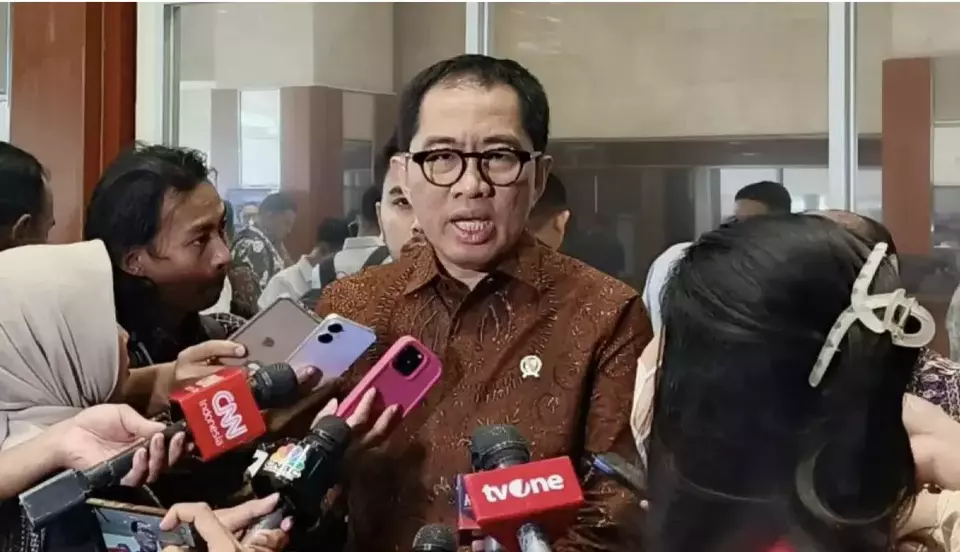
Jakarta. The government is encouraging foreign and domestic investment in the steel sector to reduce Indonesia’s heavy reliance on imported steel, Deputy Industry Minister Faisol Riza said on Monday.
Speaking after a hearing with the House Commission VI at the Parliament Complex in Jakarta, Faisol said the ministry has been in talks with potential investors from Europe, China, and Vietnam who have expressed interest in setting up production facilities in Indonesia.
“We’ve asked them to invest and build plants here, so they can access our domestic market directly, just like existing local players,” Faisol told reporters.
According to him, about 55 percent of Indonesia’s steel demand is still met through imports, mostly from China, as local production capacity utilization remains at 52.7 percent. The country imports an estimated 11 million tons of steel each year.
Faisol said the government views investment as a long-term solution to strengthen the national steel ecosystem, enhance supply security, and reduce trade imbalances. “If investors produce locally, we can meet domestic demand better and create more value in the process,” he said.
He also addressed the global slump in steel demand, driven mainly by the downturn in property and construction activities. “Basically, the decline in steel demand is happening everywhere,” Faisol said. “The property sector, which has been one of the main off-takers for steel, has slowed down significantly across the world.”
The slowdown has forced major steel-producing countries to search for new export markets, with Indonesia’s large domestic demand emerging as an attractive target.
Faisol added that most domestic steel producers remain focused on supplying construction and infrastructure projects, but the ministry is encouraging diversification into higher-value products such as alloy and special steel.
To support the sector, the government continues to enforce Indonesian National Standards (SNI) and implement investment-friendly regulations to build a more integrated industrial supply chain.
“The goal is not just to increase capacity, but also to bring in technology transfer and open more employment opportunities in the local value chain,” Faisol said.
The parliamentary hearing, originally intended to evaluate efforts to protect the national steel industry, was later postponed after Trade Minister Budi Santoso failed to attend. Commission VI decided to reschedule the meeting for a later date.
Related Articles

Indonesia Leverages $626 Billion Market to Expand Global Halal Role
Indonesia aims to strengthen its halal industry as Muslim consumer spending reaches Rp 11.18 quadrillion.
Indonesian, Philippine Firms Turn to Barter Trade to Reduce Reliance on US Dollar
Indonesian and Philippine companies have signed countertrade agreements worth up to $350 million to reduce reliance on the US dollar.
Trade Minister Says He Cannot Intervene in Closure of Alfamart and Indomaret Outlets in Lombok
The trade minister says local governments have full authority over retail store licensing and closures.
Indonesia Still Imports 55% of Steel Demand as Industry Faces Cheap Foreign Supply
Indonesia’s steel industry says cheap imports are squeezing local producers and keeping factory utilization far below healthy levels.
Indonesia Plans E-Commerce Rule Revision After SME Complaints Over Fees
Indonesia is preparing new e-commerce rules after SMEs complained about rising marketplace administrative and logistics fees.
South Korea’s Simone Invests $24.7 Million in Batang SEZ Factory
South Korea’s Simone will invest Rp 429 billion in a new export-oriented leather goods factory in Batang, creating 6,000 jobs.
Sudan Invites Indonesian Investment in Agriculture and Halal Industry
Sudan offers Indonesia access to Africa’s halal market and fertile farmland to boost food security and trade ties.
Indonesia Eases Local Content Certification for Small Industries
Indonesia makes local content certification free and simpler for small industries to boost access to government procurement.
Government Readies Electric Vehicle Industry Roadmap as Prabowo Pushes Transition
The government is preparing a roadmap to accelerate electric vehicle adoption and build a stronger domestic EV industry.
Plastic Prices Double in Indonesia as Middle East Tensions Disrupt Supply Chains
Plastic prices in Indonesia have doubled as Middle East tensions disrupt supply chains, tightening naphtha imports and squeezing traders.The Latest

Dear Mr. President, Don’t Skip ASEAN Summits
Despite calls for Prabowo to stay home, the Indonesian leader still needs to attend ASEAN summits.
PLN Rushes Coal Supplies After Power Outages Hit Java
PLN is rushing to secure coal supplies after shortages triggered rolling blackouts across Java, disrupting businesses and daily life.
Japan-Backed ADB Invests in Indonesia’s Human Capital
As many as 399 Indonesian awardees have joined the ADB-Japan Scholarship Program from 1988 to 2024.
Indonesian Stocks Rise Despite Foreign Outflows as MSCI Review Looms
Indonesia's JCI rose 2.8% as easing geopolitical tensions offset foreign outflows, MSCI concerns and rupiah pressures.
