



EU Doesn't Want ASEAN to Buy Russian Oil
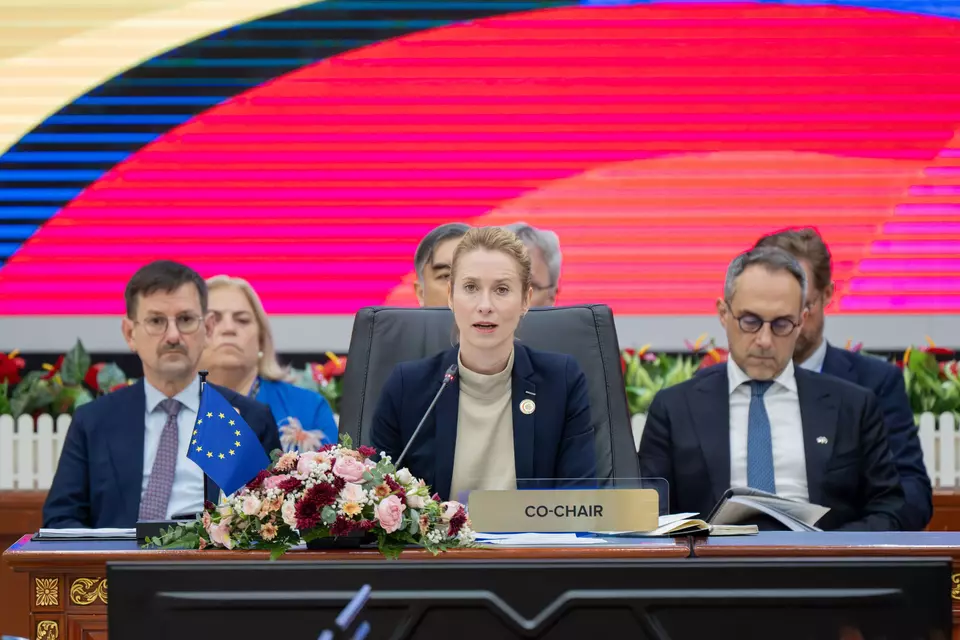
Bandar Seri Begawan. The European Union (EU) is urging ASEAN economies, including Indonesia, to stay away from Russian crude oil, as countries grapple with the world’s worst energy crisis in decades.
Southeast Asia has turned to Moscow for crude as Iran’s shuttering of the Hormuz Strait -- which handles a quarter of global oil maritime trade -- puts a strain on energy flows. Russia has agreed to supply crude and liquefied petroleum gas (LPG) to Indonesia. Malaysia and Vietnam are also pivoting to Moscow for energy supplies. Speaking to the press in Brunei, Kaja Kallas, the vice president of the European Commission, warned that Moscow could use the oil money to bankroll the Ukraine war, which had passed the 4-year mark.
“We are advocating for diversifying resources and finding them elsewhere, not from Russia,” Kallas said, when asked by the Jakarta Globe about ASEAN’s Moscow oil deals.
Kallas, who is also the bloc's foreign policy chief, said the wars would end “when aggressors run out of money to finance them”. She went on to say: “It’s in our interest that the revenues from Russian oil are actually shrinking”.
“The energy crisis is benefiting Russia.”
The EU has slapped sanctions on Russian oil to cripple its ability to fund the war. Just recently, the European bloc launched fresh packages, which introduce a port infrastructure ban on Indonesia’s Karimun Oil Terminal. The EU alleged that the port had links to Russia’s shadow fleet, a network of vessels used to transport oil to circumvent Western price caps.

Jakarta clinched the Russian crude deal during President Prabowo Subianto’s trip to Moscow earlier this month. The government has remained tight-lipped on the details, including the volume. Prabowo’s younger brother Hashim Djojohadikusumo claimed that Indonesia would buy 150 million barrels of oil.
Deputy Foreign Minister Armanatha Nasir said that no European delegate so far had brought up Jakarta’s Russian oil purchase.
“Nobody had raised this issue. There is no mention of the [Russian crude], be it in the forum, hallways, or the pull-aside meetings. Our focus here is to boost relations, be it bilaterally or bloc-to-bloc,” Arrmanatha told the Globe later that day.
Read More: Concrete Action Needed: ASEAN, EU Gather in Brunei as Fuel Crisis Deepens
Tags: Keywords:Related Articles

Indonesia Drafts Rules to Enable Russian Oil Imports Despite Western Sanctions
Indonesia is preparing new regulations to facilitate Russian oil imports while shielding state energy firms from sanctions risks.
Indonesia Expects First Russian Crude Shipment Within Two Weeks
Indonesia expects its first Russian crude oil shipment within two weeks after finalizing a major supply agreement.
Indonesia ‘Open to All Partners’ as EU Urges Russian Oil Exit
Indonesia has said it is “flexible” when it comes to picking its oil suppliers as long as they can help boost domestic supplies.
Too Many Countries Apply Rules Selectively, Indonesia Says
Indonesia does not explicitly say which countries are failing to follow international rules in their entirety.
No Malacca Tax Issue in ASEAN-EU Talks as Indonesia Sticks to Maritime Law
None of the participating countries raised the Malacca Strait tax at the ASEAN-EU Summit in Brunei Darussalam.
Indonesia Backs EU-ASEAN Trade Pact Plan, No Timeline Yet
Despite a commitment to expand trade, ASEAN and the EU have not set a fixed timeline for when the bloc-to-bloc negotiations to start.
EU Doesn't Want ASEAN to Buy Russian Oil
The EU says that Russia will use the oil money to continue to fund the war in Ukraine.
Concrete Action Needed: ASEAN, EU Gather in Brunei as Fuel Crisis Deepens
Only time will tell whether talks can yield an actionable proposal to cool down the energy shocks triggered by the Iran war.
Indonesian Vice Foreign Minister Joins Brunei's ASEAN-EU Talks Amid Hormuz Worries
Southeast Asian and European chief diplomats are gathering in Brunei at a time when the world grapples with the Strait of Hormuz blockade.
Russia Says Indonesian Oil Prices Are to Be Discussed by Businesses
Russia says that the oil prices "are to be discussed and agreed upon by the business entities".The Latest

Dear Mr. President, Don’t Skip ASEAN Summits
Despite calls for Prabowo to stay home, the Indonesian leader still needs to attend ASEAN summits.
PLN Rushes Coal Supplies After Power Outages Hit Java
PLN is rushing to secure coal supplies after shortages triggered rolling blackouts across Java, disrupting businesses and daily life.
Japan-Backed ADB Invests in Indonesia’s Human Capital
As many as 399 Indonesian awardees have joined the ADB-Japan Scholarship Program from 1988 to 2024.
Indonesian Stocks Rise Despite Foreign Outflows as MSCI Review Looms
Indonesia's JCI rose 2.8% as easing geopolitical tensions offset foreign outflows, MSCI concerns and rupiah pressures.
