



Strange Ground Tremors and Burning-Smell Phenomenon Alarms Cianjur Village
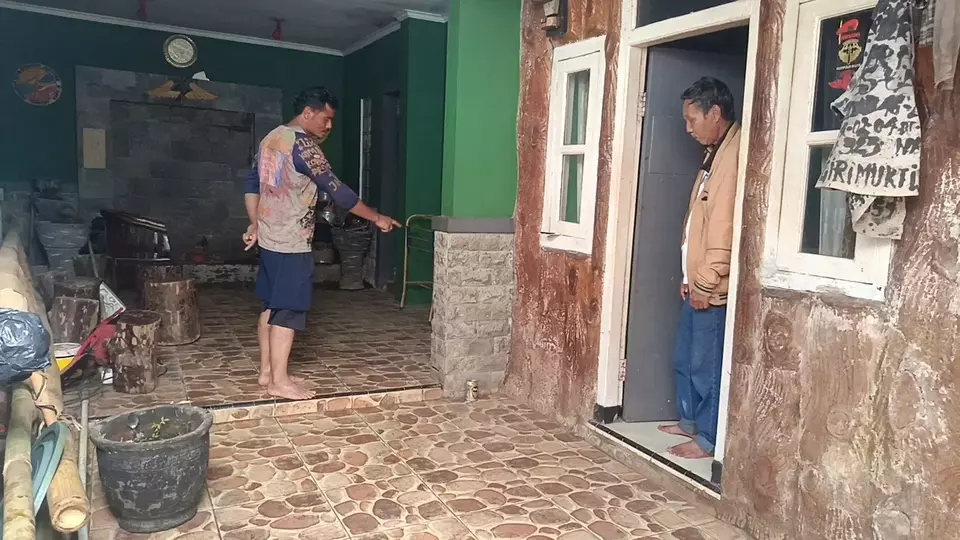
Cianjur. Residents of a village in Cianjur, West Java, were thrown into panic after a local man reported that the floor of his home suddenly became extremely hot and emitted a smell similar to burning material.
The resident, Sadad, said that when the incident occurred earlier this week, the floor not only grew hotter but was also accompanied by strong vibrations from below and a loud thumping sound.
The unusual phenomenon took place in Cijedil Village, Cugenang District.
According to Sadad, the heat first appeared last Tuesday night. The floor temperature allegedly reached around 50 degrees Celsius, producing thin smoke and a smell resembling heated stone.
“It started on Tuesday night when there was a strong odor. By the next day, the floor felt hot and smelled like burning stone. We checked — this wasn’t caused by an electrical issue,” Sadad said on Thursday.
“I also felt tremors three times, like an earthquake,” he added.
The vibrations triggered panic among neighbors, who evacuated their homes when the shaking occurred. Some fled to farther houses they considered safer.
Neighbor Juli Kusmawadi said he also experienced strong shaking in the roof of his home.
“The roof swayed as if there was an earthquake. We panicked and ran outside to a neighbor’s house farther away. After the tremors, the floor temperature started to drop,” Juli said.
By Thursday, the floor in Sadad’s home had cooled down and no further vibrations were reported.
In response to residents’ reports, a team from the Energy and Mineral Resources Ministry stationed at the Mount Gede Pangrango Observation Post immediately conducted an on-site inspection. The team measured temperatures using specialized equipment and captured aerial imagery to identify potential geological causes around the home.
For now, officials have not determined the source of the phenomenon. Further examinations are underway before the results are submitted to the Center for Volcanology and Geological Hazard Mitigation (PVMBG).
EXPLAINER - What Could Cause a House Floor to Suddenly Heat Up and Vibrate?
Experts have not yet confirmed the source of the Cianjur incident, but similar geological cases in Indonesia and other volcanic regions show several scientific possibilities. The current investigation by ESDM focuses on identifying which of these -- if any -- applies to Cijedil.
1. Geothermal Heat or Hot Gas Migration
In volcanic zones, heat from underground hydrothermal systems can rise to the surface through cracks in rock or soil. When confined under homes or hard surfaces, this heat can create:
- Sudden temperature increases in the ground or floor
- Burning-like smells from heated minerals
- Light smoke or vapor release
If the phenomenon is geothermal, it does not automatically indicate an eruption, but it requires monitoring.
2. Soil Gas Pressure Build-Up
Underground pockets of gases such as CO₂, methane, or sulfur compounds can accumulate and build pressure. If the pressure pushes upward, residents might experience:
- Localized ground vibrations
- Thumping noises from below
- Heat if gas escapes through narrow gaps
Soil gas buildup has been documented around fault lines and geothermal basins.
3. Micro-Tremors or Fault Movement
Minor fault movements or micro-earthquakes can trigger:
- Repeated small tremors felt only locally
- Vibrations in floors and roofs
- Sudden releases of heat if friction occurs near the ground surface
Cianjur sits in a tectonically active area where small fault shifts are possible.
4. Subsurface Chemical Oxidation
Certain mineral layers -- especially those containing iron-rich or organic material -- can heat up through exothermic chemical reactions when exposed to oxygen or heat sources underground. Although less common, this can produce:
- Rising temperature in soil
- Burning-stone smell
- Thin smoke
This process is slower and rarely causes strong vibrations, so experts would treat it only as a secondary possibility.
Tags: Keywords:The Latest

Dear Mr. President, Don’t Skip ASEAN Summits
Despite calls for Prabowo to stay home, the Indonesian leader still needs to attend ASEAN summits.
PLN Rushes Coal Supplies After Power Outages Hit Java
PLN is rushing to secure coal supplies after shortages triggered rolling blackouts across Java, disrupting businesses and daily life.
Japan-Backed ADB Invests in Indonesia’s Human Capital
As many as 399 Indonesian awardees have joined the ADB-Japan Scholarship Program from 1988 to 2024.
Indonesian Stocks Rise Despite Foreign Outflows as MSCI Review Looms
Indonesia's JCI rose 2.8% as easing geopolitical tensions offset foreign outflows, MSCI concerns and rupiah pressures.
